























"We have come a long, long way, but we have a long, long way to go”

Dr. Martin Luther King Jr. fought and ultimately gave his life for the cause of civil rights and nonviolent protest.
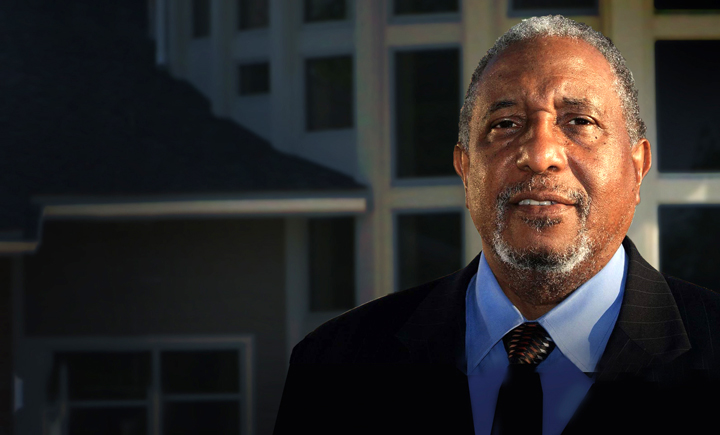
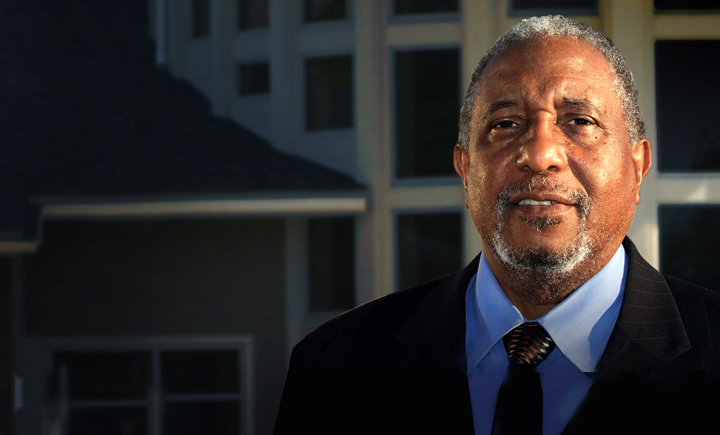
One of his protégés will be the keynote speaker for the dedication of the University’s new bronze statue commemorating the 50-year anniversary of King’s visit to campus in 1968.
The ceremony, open to the public, will begin at 10:30 a.m. on Tuesday in the area between Taft Building and the Law College. In case of inclement weather, the program will be held inside English Chapel.
Dr. Bernard Lafayette, Jr., has devoted his life to a cause that has made both strides forward and steps backward since he first became involved. He was himself mentored by King, and just hours before King’s death, Lafayette accepted this charge from him: “Martin Luther King said, ‘Now Bernard, the next thing we have to do, the next movement, is to institutionalize and to internationalize nonviolence,’” he recalls.
This is what his life’s work has been ever since, and sadly, it’s far from over. For the last five decades, he has traveled throughout the United States and 35 other countries educating people in living lives of nonviolence.
More recently, he counseled the citizens of Ferguson, Mo., in nonviolent protest after the community’s unrest in 2014. He also helps lead Project Pilgrimage, a Seattle-based nonprofit that builds interracial and intergenerational community through civic programs.
Lafayette’s own life is a living testament to the power of nonviolent protest. His passion for civil rights came at a young age, and he was right there on the front lines of the civil rights movement.
He emerged as a student activist with the Nashville Movement, going on to participate in the 1961 Freedom Rides and the equal voting rights movement in Selma, Ala.
He co-founded the Student Nonviolent Coordinating Committee (SNCC) and later was appointed by King to be national program administrator for the Southern Christian Leadership Conference and national coordinator of the 1968 Poor People’s Campaign.
He was subject to savage beatings and imprisonment numerous times. It was difficult to take, but he never wavered from what he saw as his life’s purpose. It paid off, as he saw with his own eyes the changes made as a result of the movement’s efforts.
But, as King said in his speech at ONU in 1968, “we have come a long, long way, but we have a long, long way to go” – a statement that still holds true today.
Stories Posted This Week
Friday, October 16, 2026
Thursday, October 15, 2026
Wednesday, October 14, 2026
- Bluffton Icon headlines, October 14
- Jennifer Della Rae Ritcher, 48, worked in private health care
- David L. Haney, Sr., 76, owned DL Haney and Son Delivery
- Ada FFA students attend Ohio Legislative Leadership Conference
- Ada girls soccer shut out by powerhouse Woodmore
- United Way Black Flame Candle Bourbon Ball, Oct. 17
Tuesday, October 13, 2026
- Bluffton Icon headlines, October 13
- Bulldog boys soccer blanks LCC on Sr. Night
- Bulldog volleyball ends regular season with win vs. McComb
- Union workers at Wilson Sporting Goods stage lunch-hour picketing
- Bulldog girls soccer seeded 2nd
- The Ada history bug bit Lee Crouse in the 1990s
- Polar Bears sports roundup, October 5-11