Blanchard Valley Health System

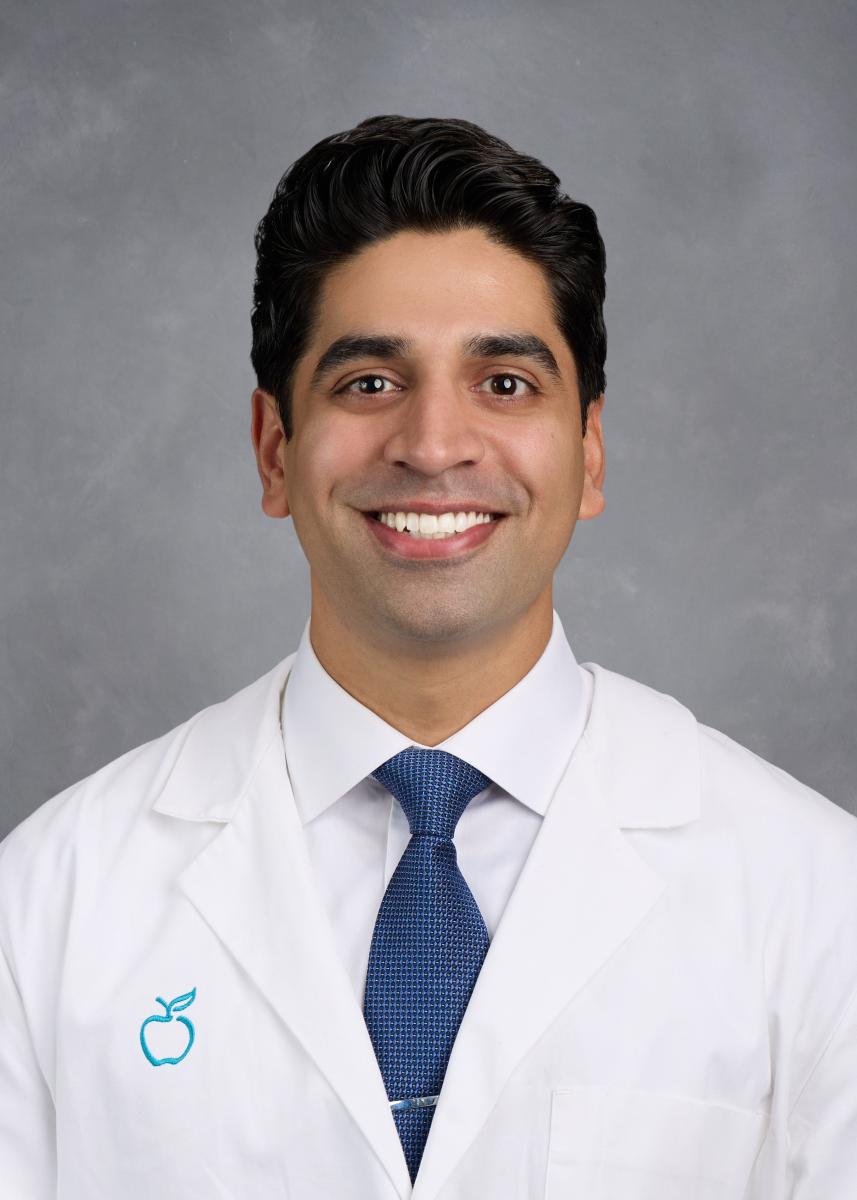
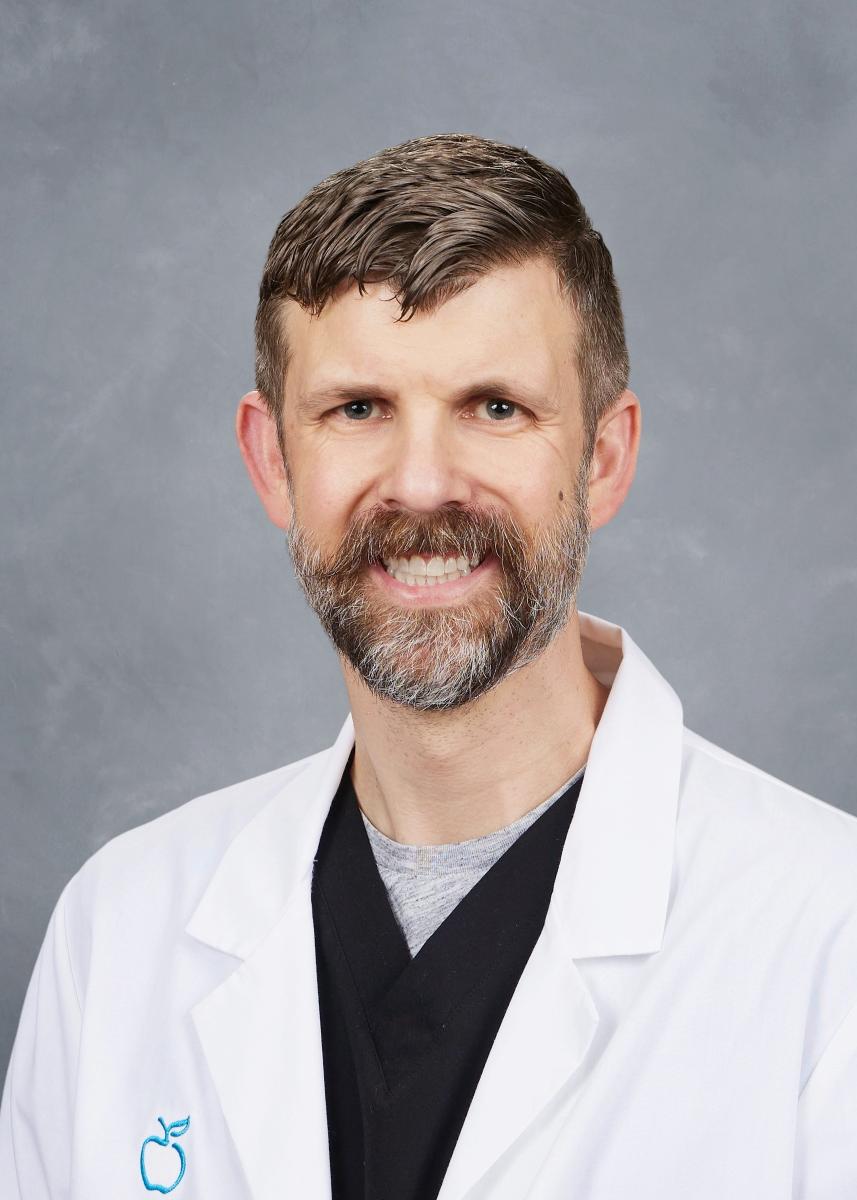
By Kyle Anderson, PA-C
Physician Assistant, Well at Work

MEDIA RELEASE_As summer temperatures continue to climb, it is important to take precautions against heat-related illnesses. Whether working outdoors, exercising, participating in sports, or simply spending time outside, prolonged exposure to heat and humidity can place significant stress on the body and increase the risk of serious medical complications. 

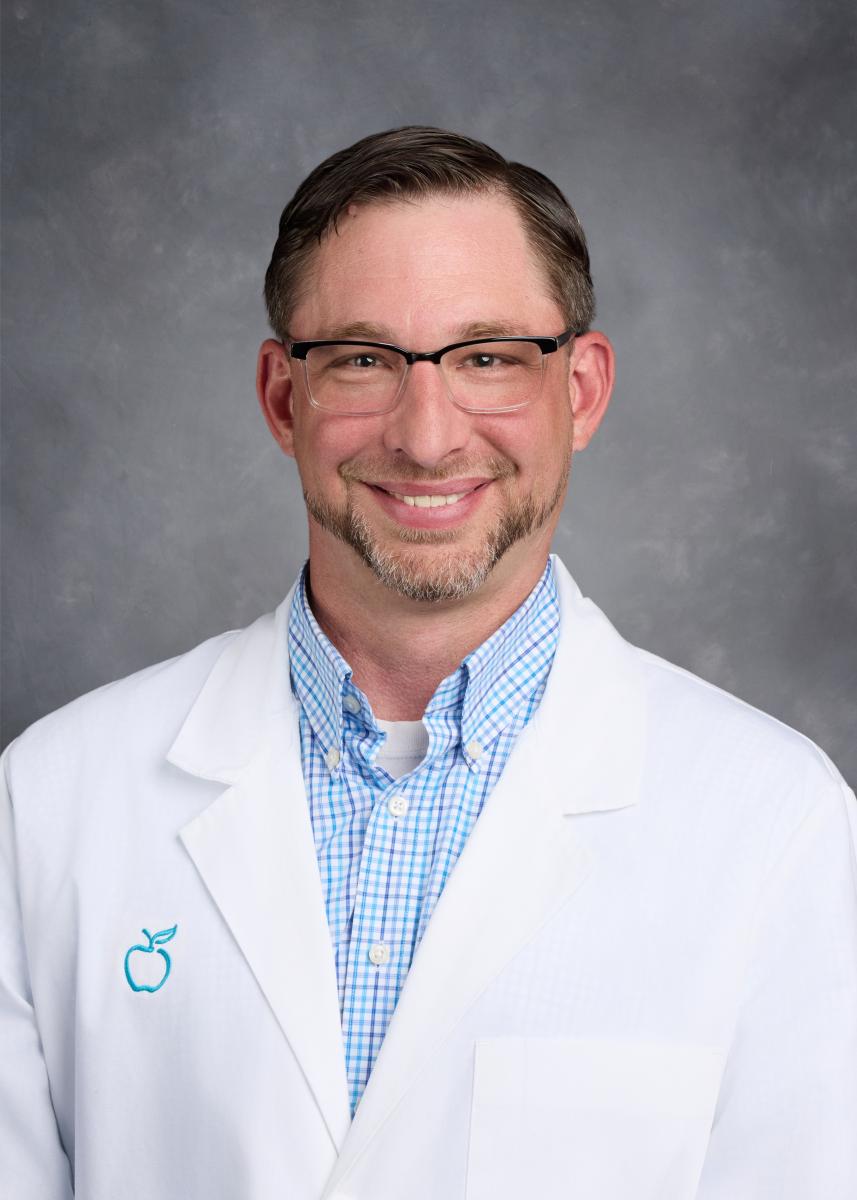
By David Barnes, MD
Medical Director, Palliative Care; Bridge Home Health & Hospice

When someone is living with a serious illness, the focus of medical care often extends beyond treating the disease itself. Managing symptoms, maintaining comfort, and supporting emotional well-being become just as important. During these times, terms like palliative care and hospice care are often mentioned. While the two share many similarities, they are not the same. Understanding the differences can help patients and families make informed decisions and access the right support at the right time.

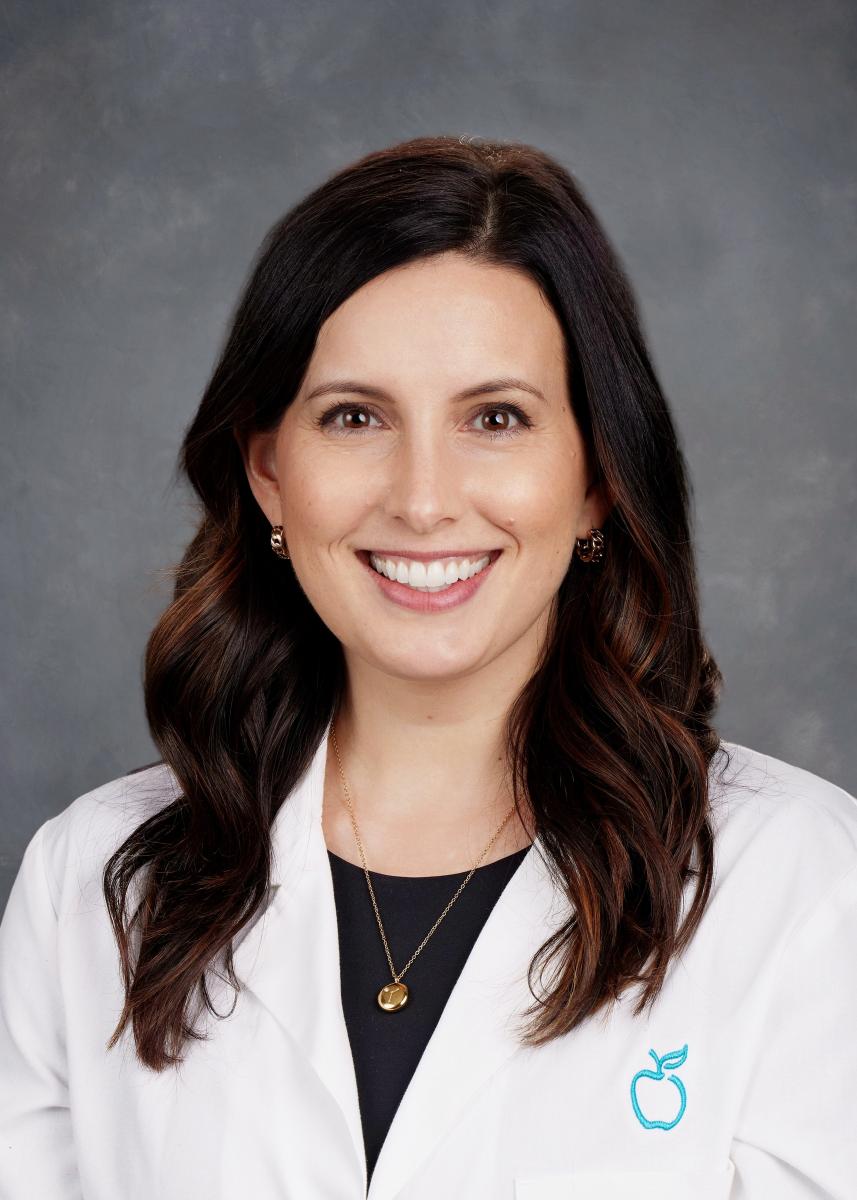
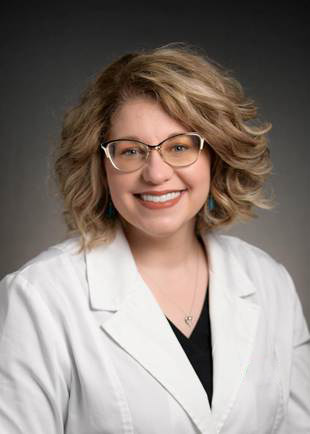
By Erika Manis. MD
Sleep Medicine

Do you experience an urge to move your legs that is worse or only present at night, that starts when inactive or still and is better with movement? If so, you may have restless leg syndrome (RLS). 

By Kayla Chapman, APRN-CNP
Certified Nurse Practitioner, Physicians Plus Urgent Care

Drowning remains one of the leading causes of accidental death in the United States, especially among young children, and it can happen quickly and silently. Children between the ages of 1 and 5 are at the highest risk of drowning, often due to inadequate supervision around swimming pools, bathtubs, lakes, or even small containers of water. Adult drownings can also occur, and are commonly seen in rivers, lakes, and oceans, with alcohol playing a major contributing role. 

Fatal drownings occur in six stages. First, the swimmer will struggle to keep their airway clear of the water, leading to panic and exhaustion. Once the swimmer goes underwater, they’ll attempt to hold their breath, but eventually they will gasp for air.


By James Davidson, MD & Katie Fultz, PA-C
Blanchard Valley Orthopedics & Sports Medicine

Rotator cuff injuries are a common adult shoulder condition that causes pain, weakness, and shoulder dysfunction. They are the leading cause of adult shoulder disability. Deciding what treatment pathway is right for you requires a discussion and MRI review with an orthopedic surgeon. 

Rotator cuff tears are evaluated by the depth of the tear, the width of the tear, the tear configuration/pattern, if there is retraction away from the attachment site, and if there is impingement on top of that area from bone spurring. When the tear is less than 50% of the tendon's depth, also known as a partial-thickness tear, nonsurgical treatment may be considered. Tears at a shallow depth can accommodate activity while healing. Conservative treatment would include oral and topical medications, ice, activity modification/rest, and physical therapy with a home exercise program. Partial rotator cuff tears with impingement or who have failed conservative treatment could consider surgical intervention for debridement of the torn portion of the tendon, removal of bursitis, and decompression of the bone spurs.

MEDIA RELEASE_Blanchard Valley Health System (BVHS) is proud to announce that the computed tomography (CT) department at Bluffton Hospital has successfully achieved reaccreditation from the American College of Radiology (ACR).

ACR accreditation is a nationally recognized distinction awarded to facilities that meet rigorous standards for image quality, personnel qualifications, equipment performance, and quality assurance processes. The reaccreditation affirms that Bluffton Hospital’s CT department continues to uphold these standards while providing exceptional diagnostic care to the community.

Pages