

















Weekend Doctor: Benefits of osteopathic manipulation

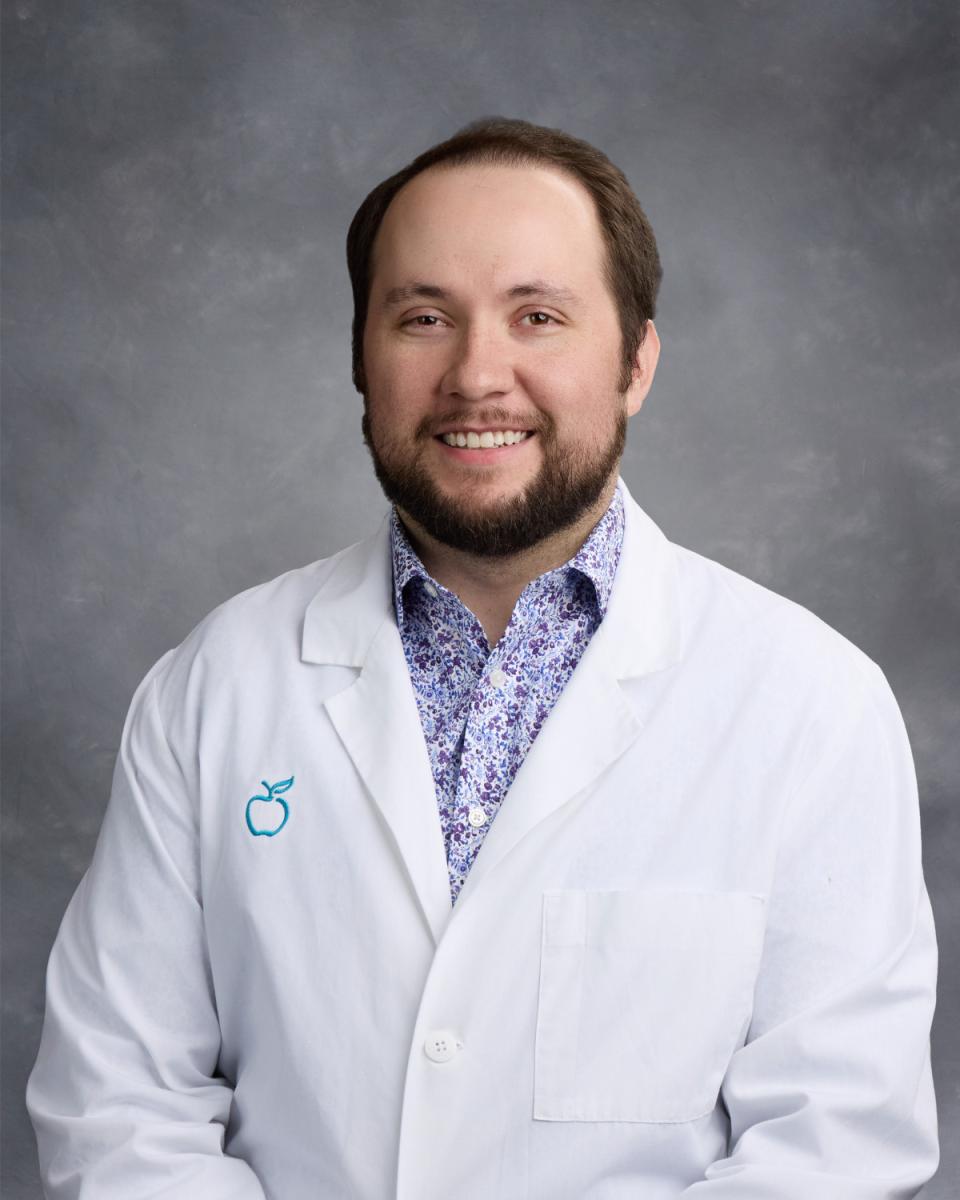
By Ethan Ekstrand, DO
Family Medicine Carey Medical Center
Osteopathic manipulation is the manual treatment of structural dysfunctions of muscle, bone, and fascia. It is mostly applicable to musculoskeletal (MSK) disorders, but other physiological ailments indirectly related to the MSK system can also be treated.
Your body is what is referred to as a tensegritous unit, relating to the concept of tensegrity. Tensegrity is a physical phenomenon that is modeled in your body as a unit of isolated structures under compression inside a network of continuous tension and arranged in such a way that the compressed members (bones and muscles) do not touch each other, while the prestressed tensioned members (tendons and fascia) constrain the system spatially. In simpler terms, this means that a change or dysfunction in one part of the body imparts changes to other areas, as they are connected through tensegrity.
The most common pathology of tensegrity is asymmetry of muscles, bones, or fascia, which can cause an excess load on a particular area, leading to muscle strain and pain. Osteopathic manipulation practitioners refer to this as somatic dysfunction. Due to your organs and physiology being contained within this tensegritous unit, somatic dysfunctions can affect organ systems outside of the MSK system. For example, the Central Nervous System can be affected by the MSK system. This manifests as headaches caused by suboccipital tension.
There are various studies showing evidence for osteopathic manipulative treatment (OMT) being efficacious for treating constipation, post op ileus, tension headaches, migraines, osteoarthritis, and muscle strains.
OMT does not need to replace traditional therapies such as medication, physical therapy, or surgery. The therapy can stand on its own or complement these various other treatments. Many patients will have success in reducing the severity of their aches and pains with OMT, but it is not necessarily a fit for everyone. Patients with ligament instability or recent fractures should not undergo certain OMT techniques. Some techniques are never a complete contraindication, though, and it is based on the patient and practitioner's comfort.
All Osteopathic medical doctors receive Osteopathic manipulation training during medical school. However, not all of them will choose to continue practicing this technique once they are done with residency. If you are interested in trying this treatment, you will need to find an osteopathic medical doctor who offers it.
OMT reflects a holistic philosophy that recognizes the body as an interconnected system in which structure and function are closely linked. By addressing somatic dysfunction and restoring balance within this tensegritous framework, OMT can support the body’s natural ability to heal and maintain optimal function. While it is not appropriate for every patient or condition, and should be considered alongside conventional medical care, it remains a valuable therapeutic option for many individuals seeking relief from pain, improved mobility, and enhanced overall well-being.
Stories Posted This Week
Sunday, October 18, 2026
Saturday, October 17, 2026
Friday, October 16, 2026
Thursday, October 15, 2026
Wednesday, October 14, 2026
- Bluffton Icon headlines, October 14
- Jennifer Della Rae Ritcher, 48, worked in private health care
- David L. Haney, Sr., 76, owned DL Haney and Son Delivery
- Ada FFA students attend Ohio Legislative Leadership Conference
- Ada girls soccer shut out by powerhouse Woodmore
- United Way Black Flame Candle Bourbon Ball, Oct. 17