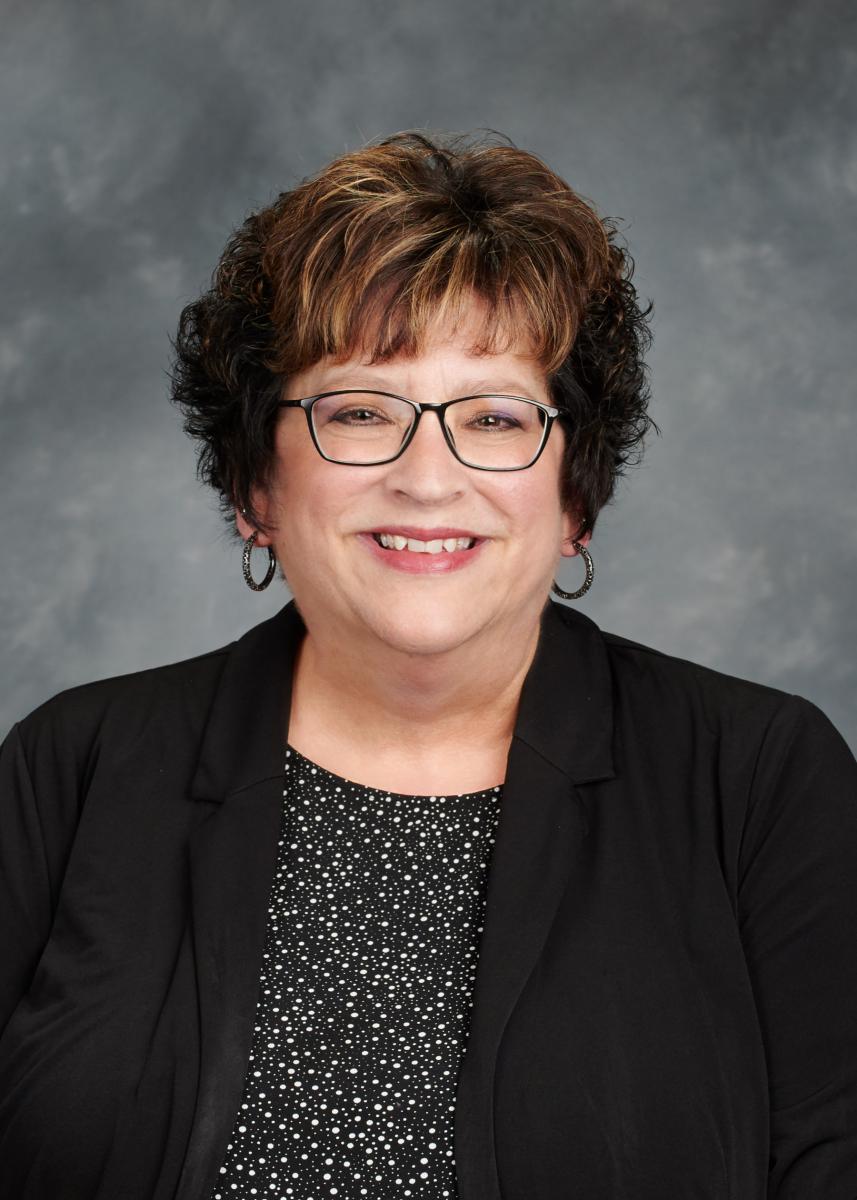
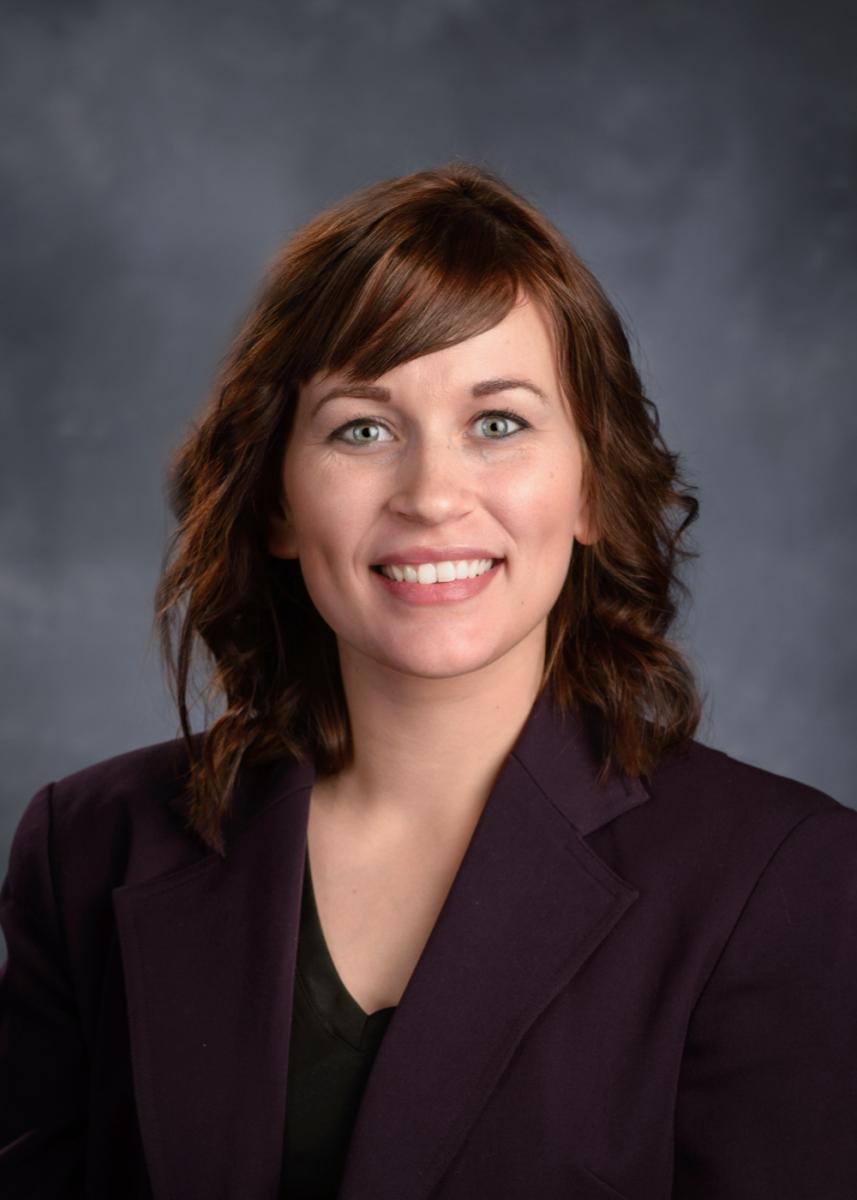
By Karen Bishop, RN, ADON The Heights at Birchaven
Maybe you or a family member have been asked by a health care professional, “What is your code status?” Most people respond by saying they have a living will. Let us discuss the difference between a living will and a code status.
Blanchard Valley Hospital has recently been named a recipient of the American Heart Association/American Stroke Association’s Get With The Guidelines® Target: Stroke Honor Roll Elite Plus, as well as the Stroke Silver Plus Quality Achievement Award.
These awards recognize the hospital’s commitment to ensuring stroke patients receive the most appropriate treatment according to national guidelines and standards. Blanchard Valley Hospital earned the Stroke Honor Roll Elite Plus achievement by meeting specific quality measures for the diagnosis and treatment of stroke patients.
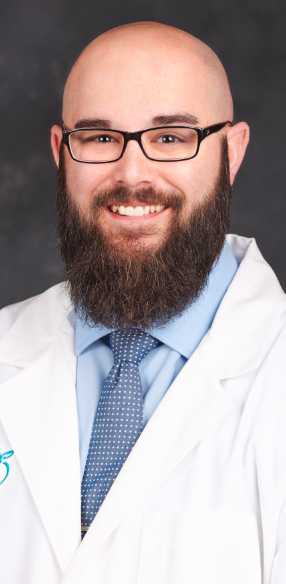
Blanchard Valley Medical Practices, a division of Blanchard Valley Health System, recently welcomed Robert Puckett, D.O., to Carey Medical Center. The office is located at 120 West S. St., Carey. Dr. Puckett is welcoming new patients.
Dr. Puckett is a Carey native and received his bachelor’s degree from The University of Toledo. He completed his osteopathic medical degree at Lake Erie College of Osteopathic Medicine, Erie, Pennsylvania. Dr. Puckett then completed his family medicine and osteopathic manipulative medicine residency at Millcreek Community Hospital, also in Erie.
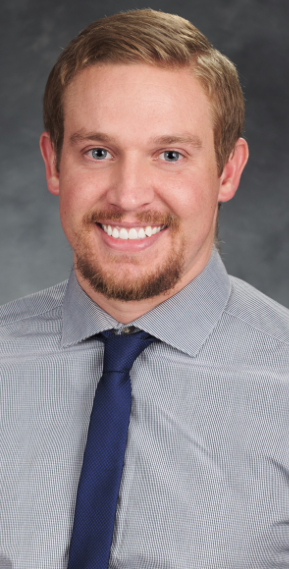
Blanchard Valley Health System welcomes James Wellman, CHCIO as the organization’s new Chief Information Officer (CIO). Wellman will be primarily responsible for overseeing the strategy and development of the information technology department and will join the other members of the BVHS Executive Steering Council.
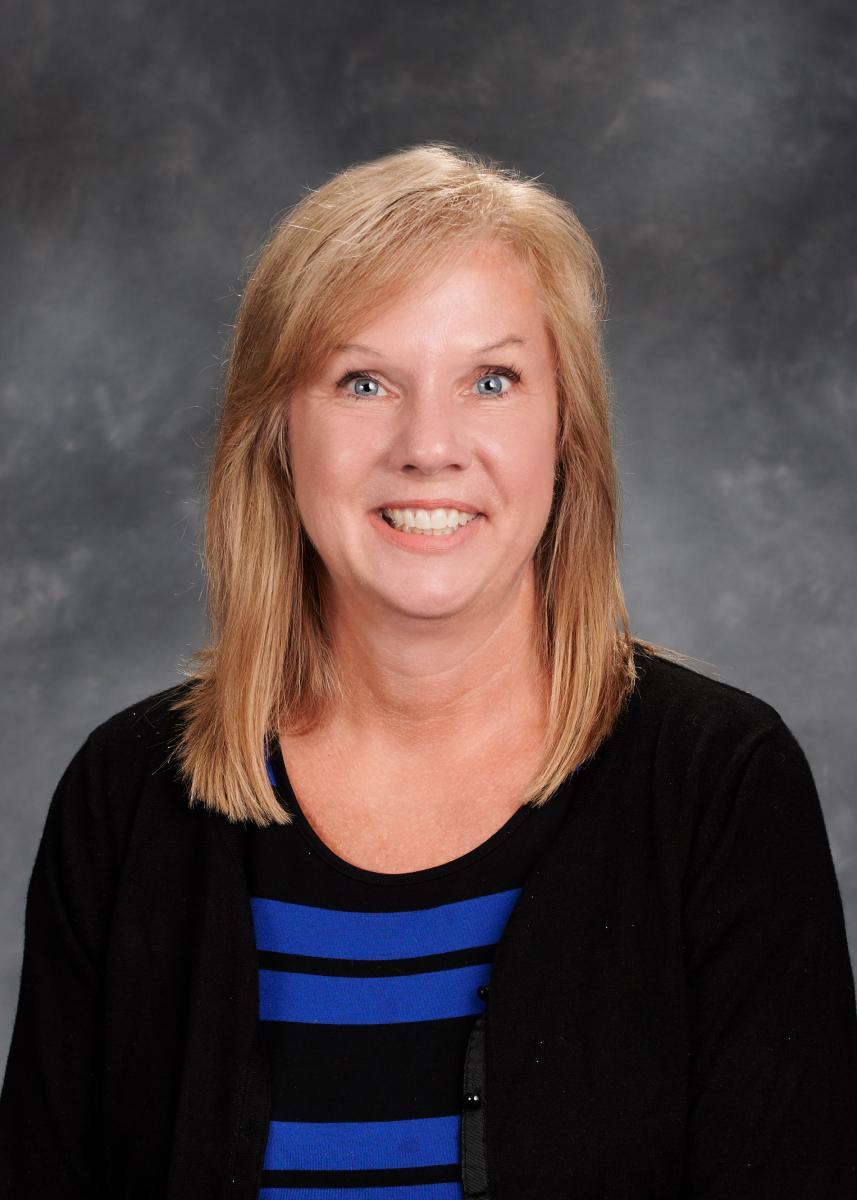
By Mindy Lause, RN Blanchard Valley Hospital Emergency Department
Human trafficking is also known as modern day slavery. It often manifests as prostitution or other forms of sexual exploitation, forced labor, servitude and the removal of organs. Since medical care becomes necessary for trafficked victims due to poor living conditions, abuse and inadequate nutrition, health care professionals are in a unique position to identify this vulnerable patient population.
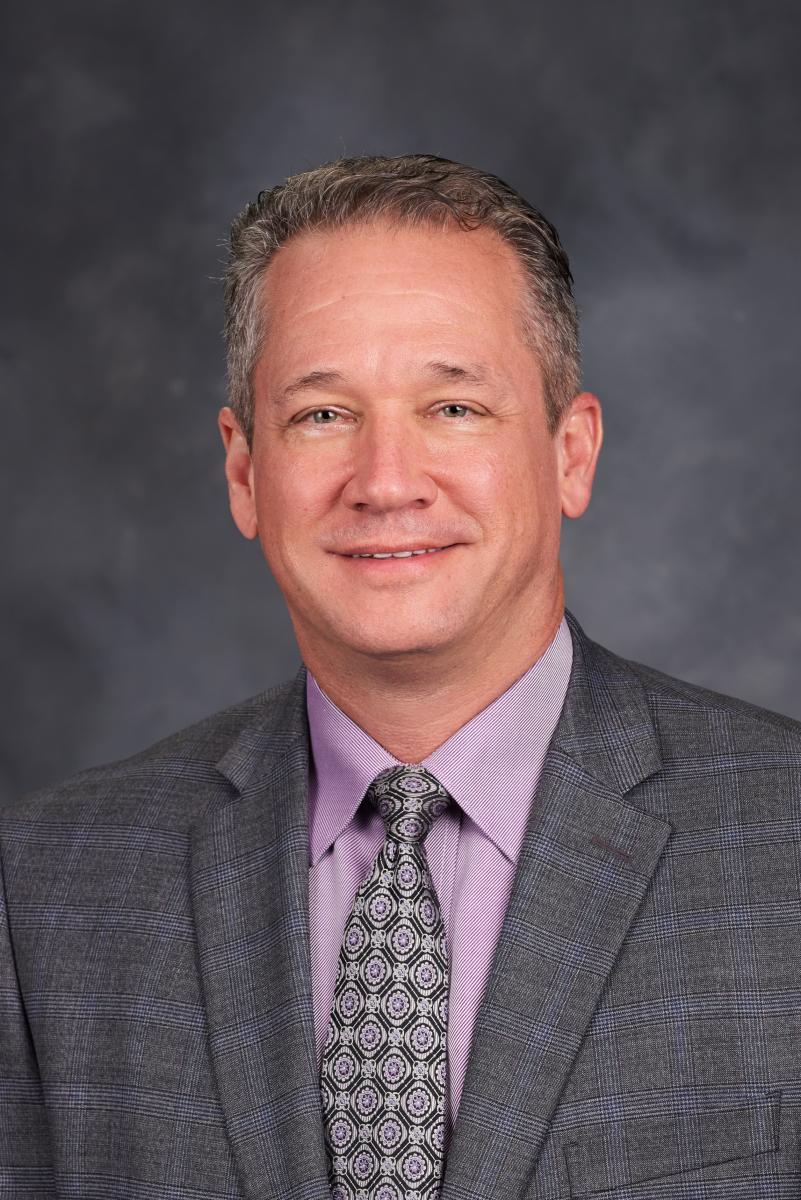
By Chris Steffan, RN, ADON Birchaven Village
Dementia is a general term used to describe various symptoms of cognitive decline including impairment in memory, communication and thinking, which is caused by damage to cells in the brain. The symptoms do not appear suddenly but build over time and become more noticeable. Damage can occur for many reasons including increased proteins inside and outside of brain cells, lack of oxygen to the brain, stroke, genetics, medication side effects, depression, alcohol use, and thyroid and vitamin deficiencies.