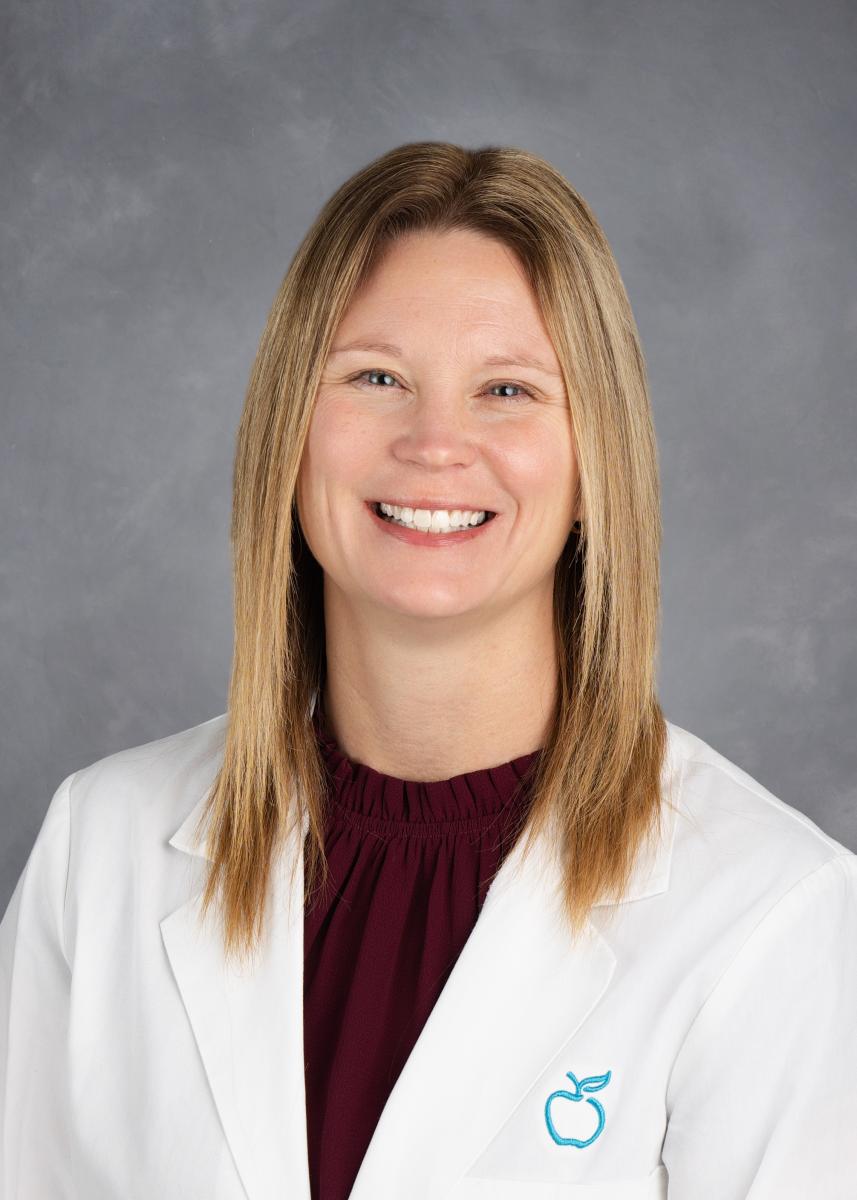
By Lindsay Hartman, APRN-CNP
Certified Nurse Practioner, Primary Care at Wellness Park
Building a strong relationship with a primary care provider is one of the most important steps individuals can take to safeguard their health. A primary care provider serves as the first point of contact for medical concerns, offering preventive care, chronic disease management, and personalized guidance to maintain overall well-being. Establishing a trusted partnership with a healthcare professional ensures continuity of care and provides a solid foundation for long-term health management.
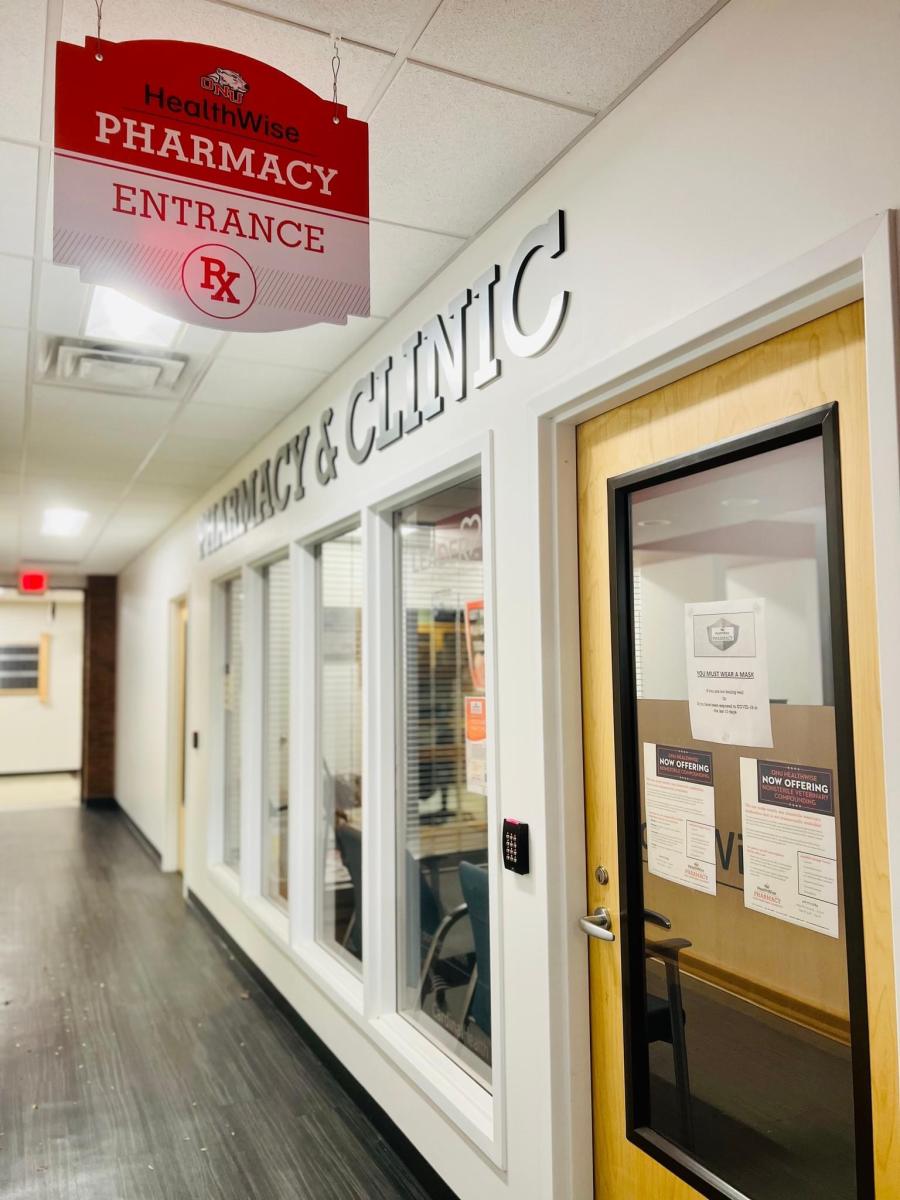
By Chayden Pitzer, Student Pharmacist and Karen L. Kier, Pharmacist
On behalf of ONU Healthwise Pharmacy
Carrie Underwood released the crossover hit Something in the Water on September 29, 2014. The song hit on both the Christian and Country charts. It won a Grammy for Underwood for Best Country Solo Performance.
By Shay McGuire, PsyD
Psychologist, Psychiatric Center of Northwest Ohio
Adult Attention-deficit/hyperactivity disorder (ADHD) is a misnomer, as it implies that ADHD can develop in adulthood. Assessment of ADHD in adults has dramatically increased, as many adults have sought evaluation for the development of Adult ADHD.
This is primarily due to the “popularizing” of the diagnosis on social media and television. Other times, individuals have presented for assessment because they have been diagnosed by another provider but failed treatment or changed providers. Sometimes, an assessment is requested because a relative has been diagnosed. Other times, it’s because they have struggled with difficulties that don’t fit previous diagnoses. Individuals then begin to wonder if ADHD is the explanation for struggles with attention, organization, time management, unfinished projects, forgetfulness, irritability, impulsive spending, etc.
By Karen L. Kier, Pharmacist
On behalf of the ONU Healthwise Team
On August 21, 1987, the movie Dirty Dancing was released in the United States. One of the most famous lines from the picture was “Nobody puts Baby in a corner.” Johnny Castle, played by Patrick Swayze, tells this line to Baby, played by Jennifer Grey. In 2024, the movie was selected to be preserved in the United States National Film Registry by the Library of Congress.
The phrase from the movie has become iconic and represents a stance of empowerment or standing up to societal expectations.
Nearly 3,000 Ohioans are waiting for a lifesaving transplant
Provided by OhioHealth
It’s amazing to think one person can save up to 8 lives through organ donation and provide healing for more than 75 through tissue donation.
On April 2, 2025, at 1:00 p.m., OhioHealth Hardin Memorial Hospital and Lifeline of Ohio will host a flag raising ceremony outside the hospital at 921 E Franklin Street, Kenton to celebrate and honor the lives impacted by organ and tissue donation. A reception will be held in the McCullough Conference Room following the ceremony.
National Donate Life Month (NDLM) is a time to honor those generous donors who have saved and healed lives through the gift of donation. It’s also a time to raise awareness for organ, eye and tissue donation and encourage people to register their donation decision.
By Sarah Turske, Student Pharmacist and Karen L. Kier, Pharmacist
On behalf of the ONU Healthwise Team
Sabrina Carpenter is a new superstar in the music industry. She released a top 10 hit in over 20 countries in 2024 called Espresso. She performed on Saturday Night Live when she was the musical guest on May 18, 2024.
Espresso is a concentrated coffee beverage where hot water is forced over the finely ground coffee via pressure. One ounce of espresso has about 63mg of caffeine.
Caffeine is quickly becoming the go-to boost for many, especially among younger people looking for an extra burst of energy throughout the day. A daily dose of up to 400 mg can help you feel more mentally sharp and physically energized. It is important to understand that 400mg of caffeine at one time can be dangerous to your health.