






















Tips to prevent the common cold

Note: this article is provided by ONU Healthwise Clinic.
Cold and flu season has arrived, but that doesn't have to mean you or your family will get sick. Outsmart germs with these simple strategies.
When it comes to colds, prevention is key. But once you have a cold, the best remedy is plenty of rest and lots of fluids. Read on for more information on colds and prevention strategies.
How to Prevent a Cold
Hand-washing is one of the easiest ways to prevent the spread of the common cold.
Avoid touching commonly touched surfaces, including shared writing instruments, public doorknobs and light switches, unless necessary. You can lower your risk of getting a cold by washing hands often with soap and water for at least 20 seconds.
If soap and water are not available, use an alcohol-based hand sanitizer with at least 60 percent alcohol instead, the CDC recommends.
For young children who tend to rush their hand-washing, have them sing a short song, such as "Happy Birthday," to ensure they wash for at least 20 seconds.
Avoid touching your eyes, nose and mouth with unwashed hands. Viruses live on your hands and can easily enter your body this way.
If you can, stay away from anyone who is sick. If this is not possible, try to remain at least three feet away from those who are sick. Colds are spread through close contact with infected people.
If You Have a Cold
If you're already sick, the CDC recommends following these tips to prevent viruses from spreading to others:
- Stay home and avoid close contact with others, such as hugging, kissing or shaking hands.
- Cough and sneeze into a tissue and throw it away. Or cough and sneeze into your elbow, completely covering your mouth and nose.
- Wash your hands frequently.
- Disinfect frequently touched surfaces and objects like toys and doorknobs.
How to Feel Better
While there is no cure for the common cold, over-the-counter medicines can ease symptoms. Always ask your doctor or pharmacist before starting a new medication, including over-the-counter medications. Not all medications are safe to take. Furthermore, always read the label and use medications only as directed.
It's important to talk to your doctor before giving your child any nonprescription cold medicine. Some medicines contain ingredients that are not recommended for children.
Because the common cold is caused by viruses and not bacteria, antibiotics will not help you recover. They may even make it harder for your body to fight future bacterial infections if you take them unnecessarily.
When to See a Doctor
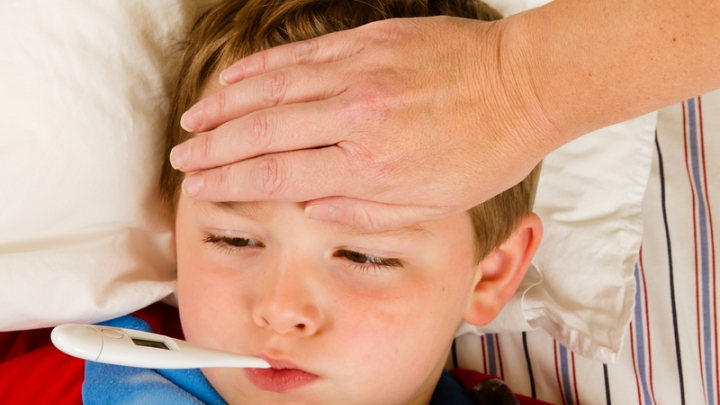
Even though colds are common, they can sometimes become serious. Call your doctor immediately if you or your child are experiencing one or more of these conditions:
- Symptoms that last more than 10 days
- Issues breathing or fast breathing
- Dehydration
- A fever that lasts longer than four days
- Symptoms that are severe, unusual or concerning
If your child is younger than 3 months old and has a fever of 100.4 °F or higher, call your doctor right away.

Stories Posted This Week
Friday, November 13, 2026
Thursday, November 12, 2026
- Our Lady of Lourdes to host Holiday Bazaar on November 18
- Ada Council recap: Eagle Scout proposal for 2 Little Libraries
- Bassitt, 23, launches JAYB Apparel
- Upper Scioto Valley Elementary School Honor Roll for 1st Quarter 2026-2027
- Upper Scioto Valley Honor Roll for 1st Quarter 2026-2027
- Separate the wheat from the chaff: Multi-ingredient botanicals for cholesterol
Tuesday, November 10, 2026
Monday, November 9, 2026
- Charles Thomas Evans, 80, worked for Agricultural Cooperatives
- Jerry Lane Pifer, 69, was a siding contrator
- Ada FFA members compete in Job Interview contest
- Bulldog student-athletes honored by the Blanchard Valley Conference
- Nine Bulldog football players garner All-BVC recognition
- Friends of the library host book raffle
- Local artist hosting a watercolor class at the Ada Public Library
- Beatitudes plans Thanksgiving & Veterans feast