























Weekend Doctor: Misconceptions about palliative care

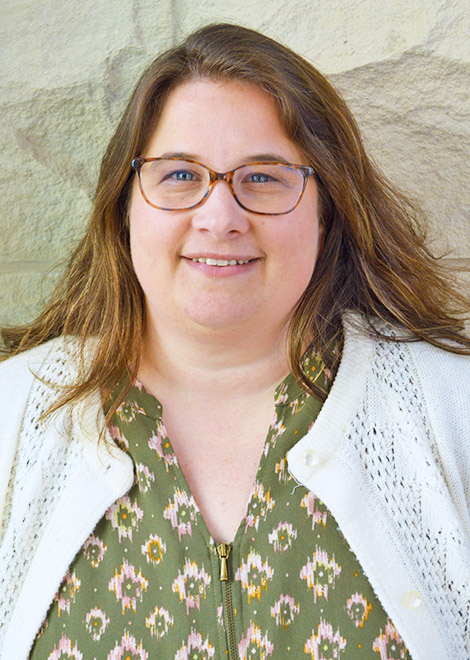
By Kimberly Ackley, APRN-CNP
Certified Nurse Practitioner, Bridge Home Health & Hospice-Palliative Care
Palliative Medicine is a commonly misunderstood and underutilized service that greatly benefits someone who is dealing with a chronic illness. You may have heard of palliative care or hospice but be unsure of the differences or which service would better meet your needs.
There is a common misconception that palliative medicine and hospice care are one and the same. They are not. Palliative medicine is appropriate for someone with a serious illness who is still receiving treatments from their doctors, whereas hospice care is for people who are no longer seeking aggressive treatments and wish to focus on comfort care only. Palliative medicine does not replace your primary care doctor or your specialty providers. It is a complementary specialty medicine that focuses on your overall well-being while you are still seeking medical treatments and interventions for chronic disease.
Palliative medicine is not only for cancer patients but also those with illnesses such as advanced COPD, heart failure, kidney disease, Alzheimer’s, Parkinson’s disease or someone who is experiencing side effects from treatments. Palliative medicine helps make it possible for someone to live with the side effects of chronic illness or treatments. Your palliative medicine provider can prescribe or make referrals to help you manage side effects such as pain, nausea, poor appetite, constipation, cancer-related fatigue or shortness of breath.
Side effects from chronic illness or treatments can affect a person’s ability to continue working, make it difficult to get around, enjoy hobbies and sometimes cause a depressed or anxious mood. The goal of palliative medicine is to help patients maintain an acceptable quality of life; allowing you to feel more control over your life and be as active as possible. Your palliative medicine provider will address your symptoms or problems with a goal-oriented approach to help you better cope/live with the effects of disease.
Palliative medicine appointments can be conducted at home, in an office or in a facility. The service is billed to insurance just like any other specialty medicine, like your cardiologist, pulmonologist or oncologist. The greatest benefit, for most people, is research has shown those followed by a palliative medicine provider have better symptom control and experience fewer hospitalizations and emergency department visits.
If you or someone you care for would appreciate the service of palliative medicine, please ask your healthcare provider or specialty physician for an informational meeting or a referral.
Stories Posted This Week
Tuesday, October 13, 2026
- Bluffton Icon headlines, October 13
- Bulldog boys soccer blanks LCC on Sr. Night
- Bulldog volleyball ends regular season with win vs. McComb
- Union workers at Wilson Sporting Goods stage lunch-hour picketing
- Bulldog girls soccer seeded 2nd
- The Ada history bug bit Lee Crouse in the 1990s
- Polar Bears sports roundup, October 5-11