By Andrius Giedraitis, MD Interventional Pain Medicine, Blanchard Valley Pain Management
Cold mornings, icy sidewalks and shorter days are all familiar parts of Ohio winters. For many people, however, the season also brings an unwelcome companion: increased joint and muscle pain. If your knees feel stiffer, your back aches more, or your sleep is disrupted when temperatures drop, you’re not imagining it. Seasonal changes in temperature and barometric pressure can aggravate sensitive areas of the body, including the neck, shoulders, low back, hips and knees.
The phrase “say cheese” for photos appears in newspaper articles starting in the 1940s. In 1943, the Oxford English Dictionary cites the phrase being repeated by Joseph E. Davies, who was the United States ambassador (1936-1938) to the Soviet Union and appointed by President Franklin D. Roosevelt. Prior to “saying cheese” other words such as prunes, whiskey, and cheese with crackers were used by photographers to get you to smile.
By Nathaniel Ratnasamy, MD, and Gina Bailey, BSN, RN
There has been concern about measles cases in various parts of the United States and a significant uptick worldwide. According to the CDC, 2025 was the most active year for measles since 1992, and this trend is continuing into 2026. There were 2280 confirmed U.S. cases in 2025, and as of February 12, 2026, there have been 910 confirmed cases. There have been 5 new outbreaks reported in 2026, and 90% of confirmed cases (822 of 910) are outbreak-associated (62 from 2026 outbreaks and 760 from 2025 outbreaks).
In 1735, Gaspar Casal of Spain described a disease he named mal de la rosa (sickness of the rose), which was spreading across Europe. Then, in 1771, the Italian physician Francesco Frapolli of Milan gave the same disease the name pellagra. At the time, Southern Europe depended on corn as a major food source, especially in the more impoverished populations. Pellagra was known by the four Ds, including dermatitis (skin rash), dementia, diarrhea and death.
By Ethan Ekstrand, DO
Family Medicine Carey Medical Center
Osteopathic manipulation is the manual treatment of structural dysfunctions of muscle, bone, and fascia. It is mostly applicable to musculoskeletal (MSK) disorders, but other physiological ailments indirectly related to the MSK system can also be treated.
By Karen Kier
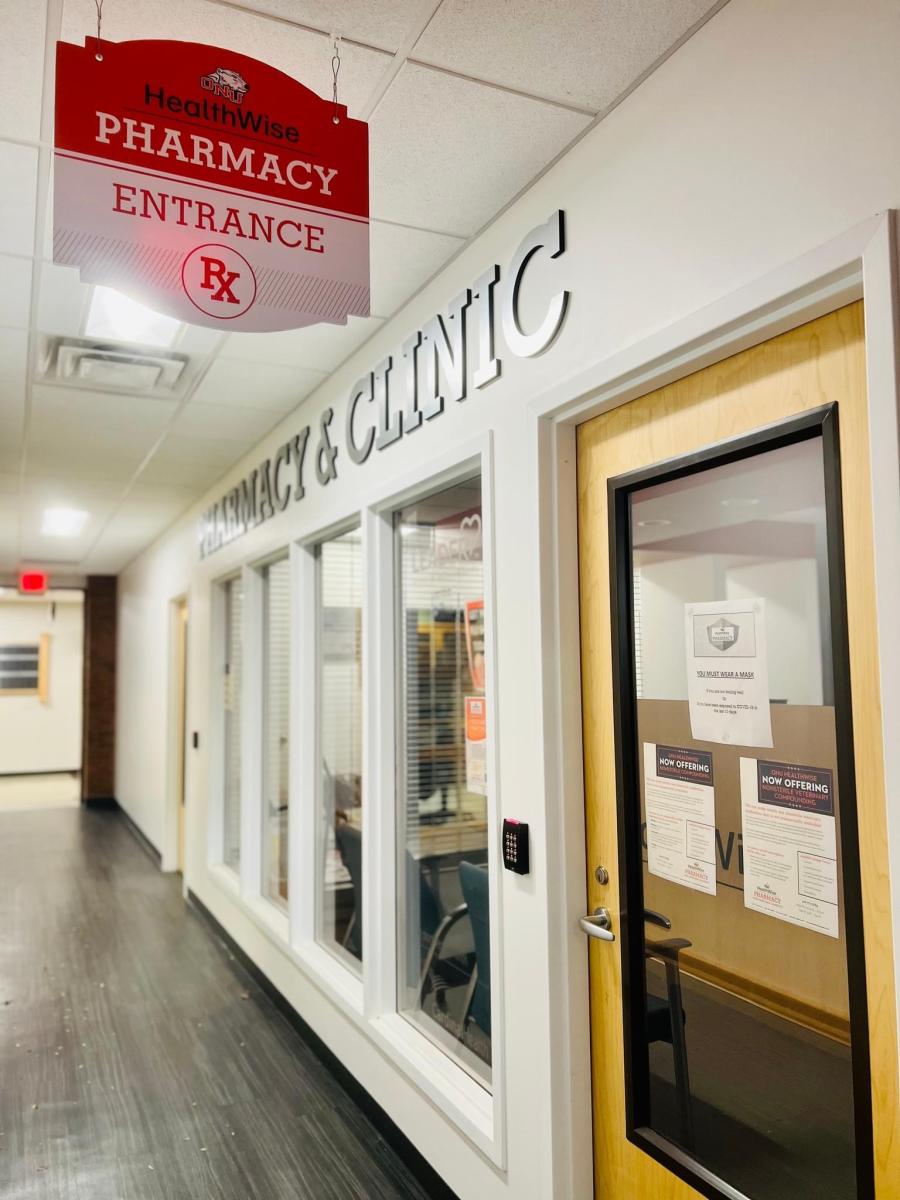
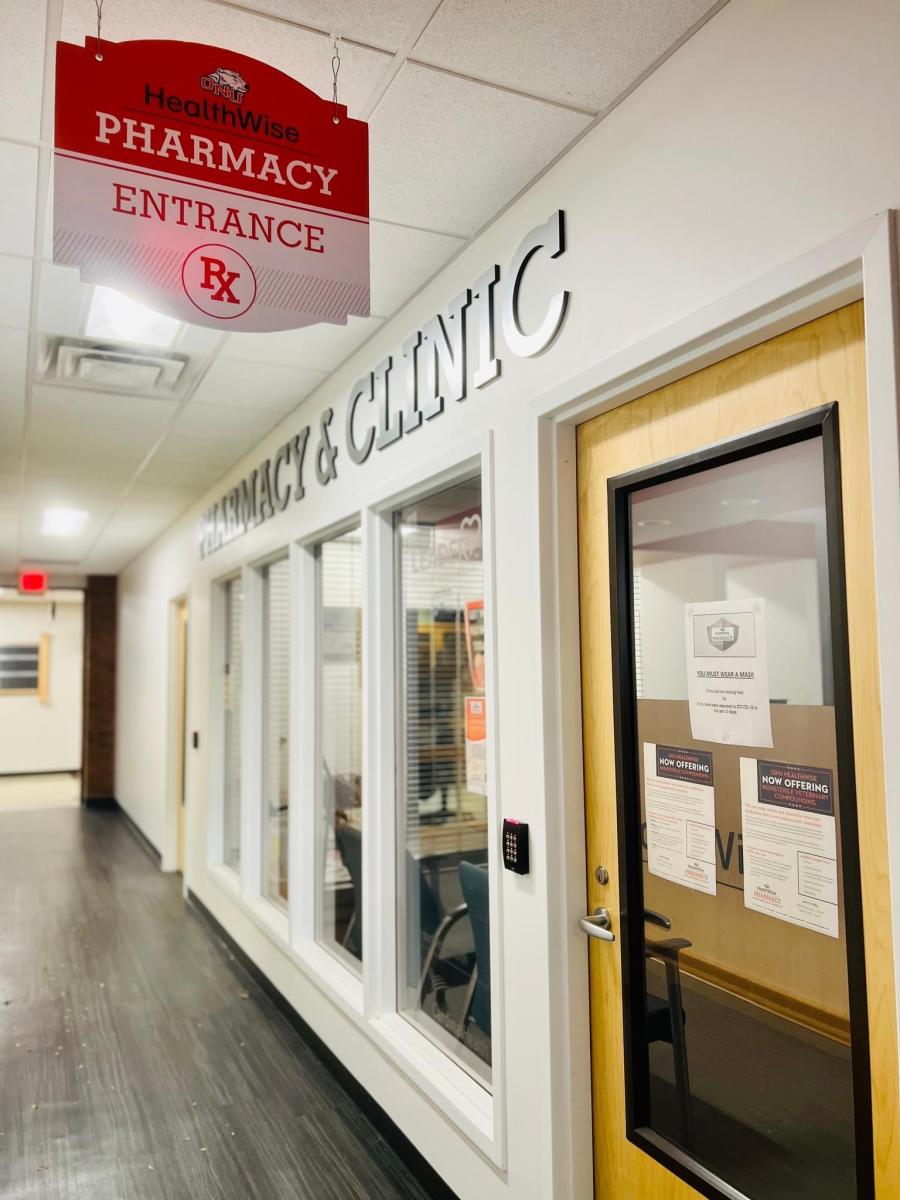
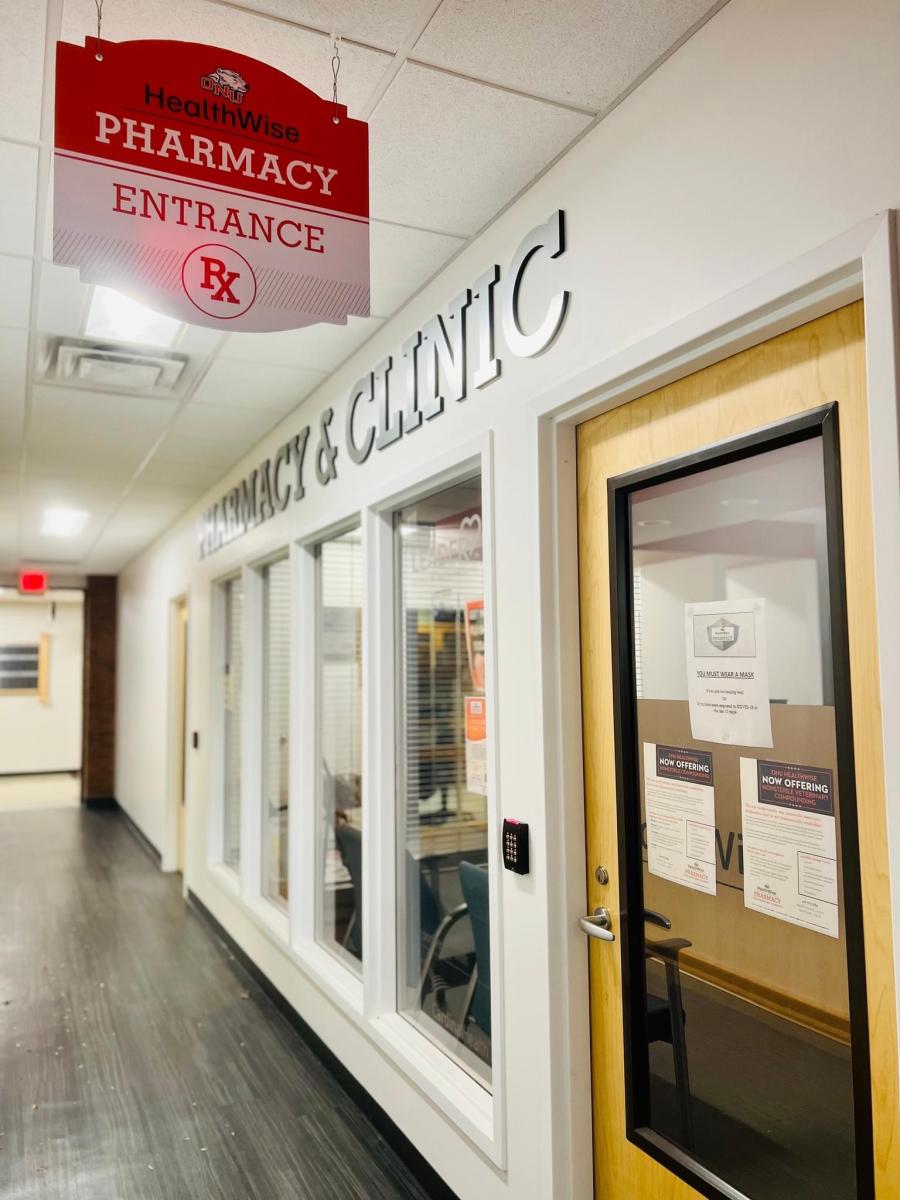
Pharmacist on behalf of the ONU HealthWise team
It is believed the idiom “enough to go around” evolved during the 19th century to describe things like horse racing in which events were done on a circular track. The saying became known for having a sufficient quantity or supply to be shared or distributed.
Pertaining to choline supplementation, is there enough in our diets to go around or do we need to add more to our daily diet? It depends!