























Homeward Bound: Cervical cancer screening at home

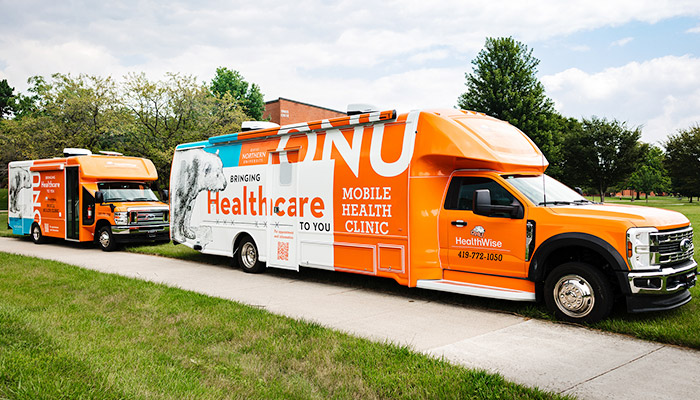
By Anika Berrios, Student Pharmacist and Karen Kier, Pharmacist
On behalf of the ONU HealthWise team
Simon & Garfunkel released their single Homeward Bound on January 19, 1966 and it peaked at number 5 on the U.S. charts in March. The song was written by Paul Simon while he was touring in the United Kingdom. He was waiting for a train at the Widnes railway station when he was working on the song. The railway station has a plaque commemorating this accomplishment. Simon & Garfunkel were inducted in the Rock and Roll Hall of Fame in 1990.
Home is often a preferred location for people to do private testing when possible and now human papillomavirus (HPV) testing of vaginal cells is available for women.
Cervical cancer originates on the surface of the cervix and at the narrow end of the uterus. Cervical cancer develops slowly and often has no symptoms early in the disease process. This makes screening even more important. Ninety to 95% of cervical cancers occur when healthy cells turn into precancerous cells when infected with HPV, further spreading to surrounding areas.
Traditionally, cervical cancer screening has been part of a routine OB/GYN office visit using a Pap (Papanicolaou) smear. The test uses a scraping of cells from the cervix to identify abnormal cells, which could lead to cervical cancer. An estimated 14,000 people in the United States receive a cervical cancer diagnosis each year and the majority of cases are women aged 35 to 44.
HPV is spread through sexual contact and the HPV vaccine if given before exposure is highly effective in reducing infections. Routine cervical exams (Pap smears) can be beneficial to help detect the development of cancer. A vital factor in preventing the progression of various cancers is early detection.
In the U.S., the occurrence and death rates from cervical cancer have decreased by more than 50% because of the widespread use of Pap testing and high-risk human papilloma-virus (hrHPV) testing. New screening guidelines have been published for cervical cancer screenings. The recent update for the screening guidelines has adjusted the recommended time for having screenings completed and which testing methods are preferred.
The Health Resources and Services Administration Women’s Preventive Services Guidelines for Cervical Cancer Screening recommends women at average risk aged 30 to 65 should receive primary hrHPV testing either via Pap smear or home testing every five years. The every five year guideline is only in those women who have previously tested negative on a Pap smear at their last test. Guidelines have included hrHPV self-collection tests at home or in clinical settings as an appropriate screening method for women aged 35 to 65. This new addition of home screening can help reach more women and expand the role of cervical screenings in reducing cancers.
The new home screening test was approved by the FDA on May 9, 2025 and included women 25 to 65 years of age. The home test is called Teal Wand (https://www.getteal.com/teal-wand) and is commercially available. A short telehealth visit is required for the ordering of a kit to be mailed to the home. Once the kit arrives, it contains a wand with an end that looks like a large cotton swab. The kit provides instructions for inserting the swab and collecting cells. The swab is then mailed back in a prepaid envelope to a certified lab. The results are released to the patient a few weeks later. If the swab comes back positive, the patient will be referred to a healthcare provider for further testing and treatment.
A study in JAMA Network Open compared the results of a Pap smear with the Teal Wand in 599 women. The study tested women 25 to 65 years of age. The results showed the Teal Wand to be as reliable a test as a Pap smear. Both methods are highly effective in detecting abnormal cells approximately 95% of the time.
Insurance companies will be required to cover the home test without patient cost sharing. The new insurance coverage is set to begin January 1, 2027, but many insurance companies are already covering the test. The Teal Wand website lists some of the major providers. Women ages 21 to 29 are still recommended to receive a cervical cytology (Pap testing) every three years.
Homeward bound testing for cervical cancer screening is on its way!