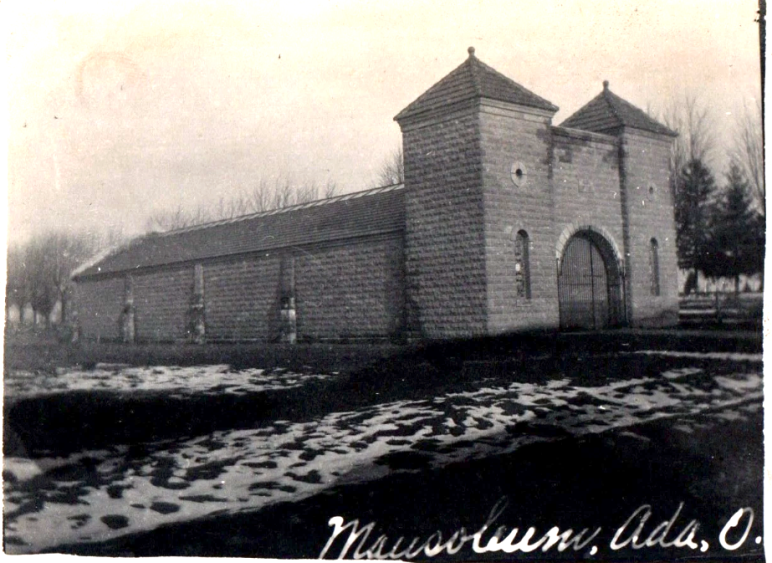
Ada's Woodlawn Cemetery once included a mausoleum with 240 compartments. Built in 1908, the mausoleum received remains until 1964 but was never filled. Adequate funds were not available to maintain the facility, leading to its deterioration. Eventually, all remains were removed and buried nearby.
For a time, the building was used for storage. It was demolished in 1984, according to an article in The Times Cover.
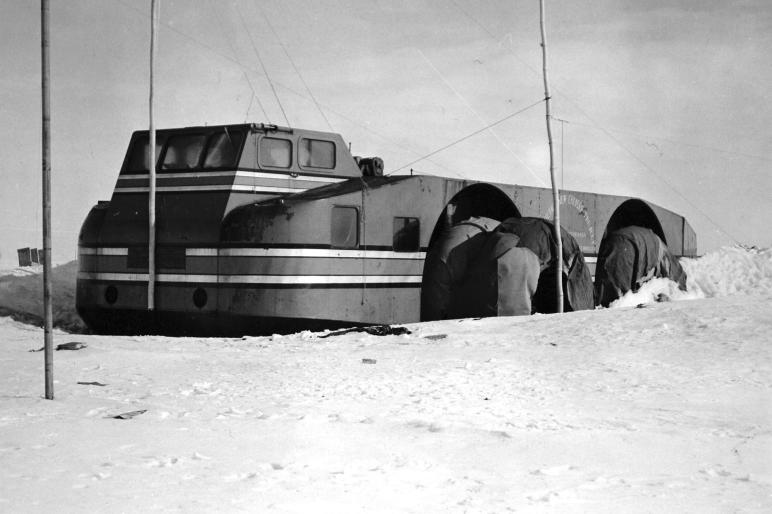
On November 3, 1939, readers of the Ada Herald received this update: "Byrd’s Snow Cruiser Resumes Eastward Trip"--after crashing in Gomer.
More than 50,000 people from northwestern Ohio, and adjoining sections of Indiana and Michigan jammed the Lincoln Highway near Gomer Sunday to view Admiral Richard E. Byrd’s 37-ton monster snow cruiser that went into Pike Run there Saturday afternoon. It was not able to proceed on its trip from the Armour Institute in Chicago to Boston until Wednesday.
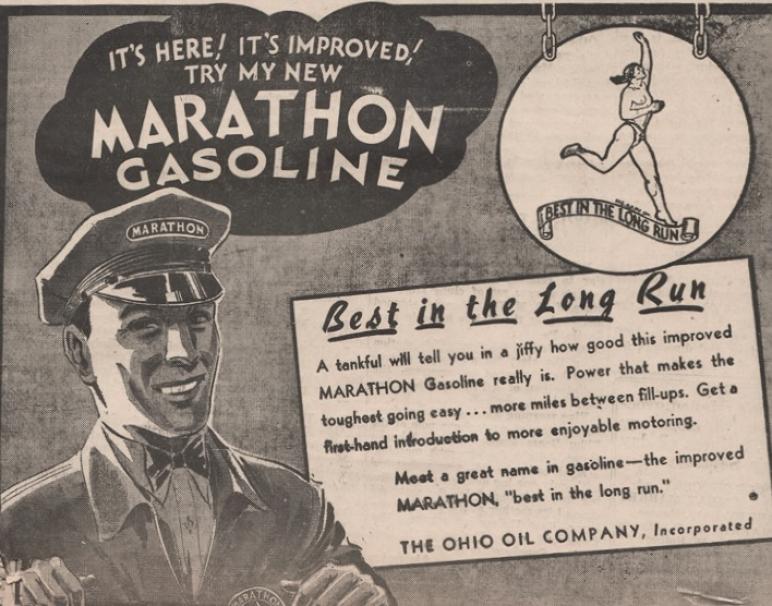
September 1, 1939, marks the first official date when local dealers of The Ohio Oil Company introduced an improved gasoline under the trade name of “Marathon.”
While car owners in the Ada area have used Marathon motor oil for several years, this is the first chance to buy Marathon gasoline in this territory.
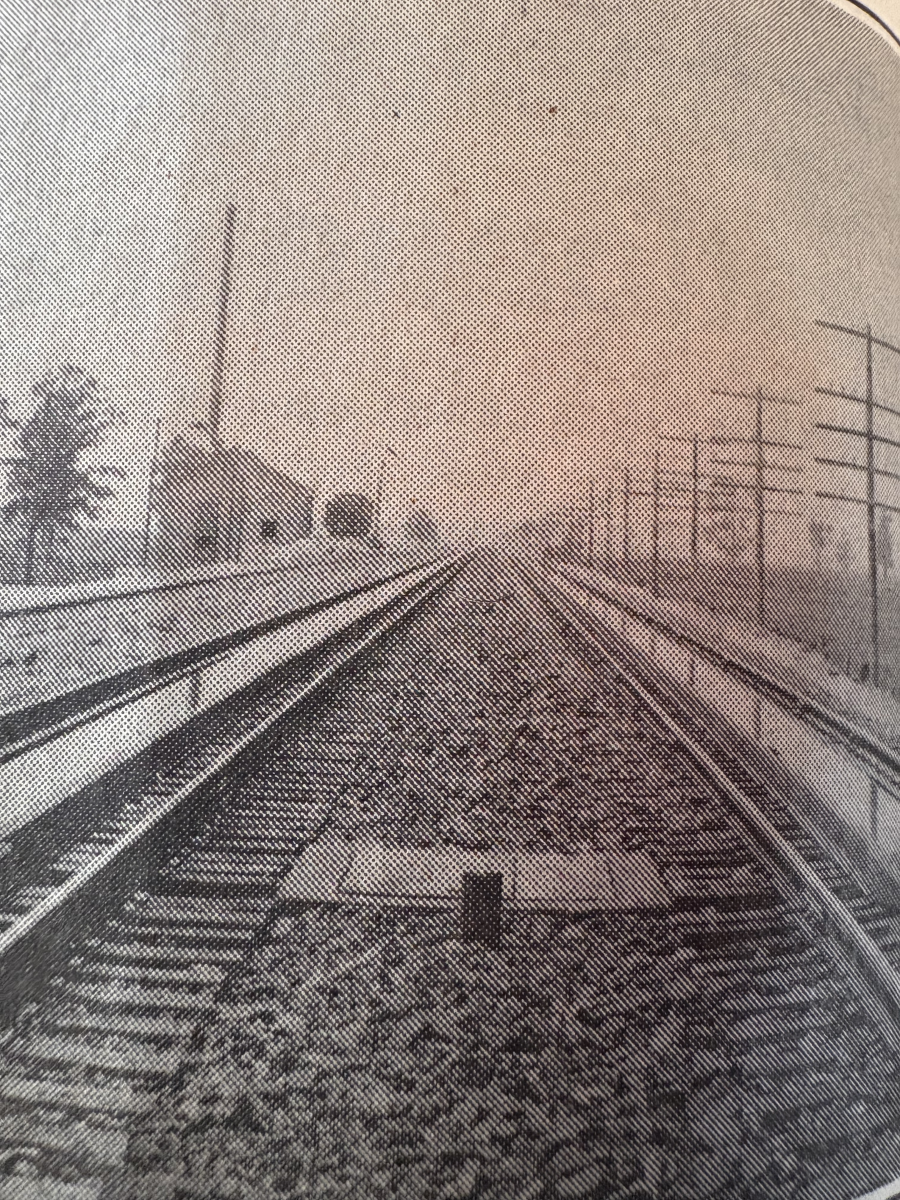
Catching water on the fly! The Pennsylvania Railroad Co. was a leading railroad that provided water for its high-speed passenger trains on the fly using water troughs (a.k.a. track pans).
Dola, Ohio, had a coal tipple and water tower to replenish the freight trains that came through. But for passenger trains, the aim was to keep them on schedule without having to stop for water. Tremendous amounts of water were used by steam engines.